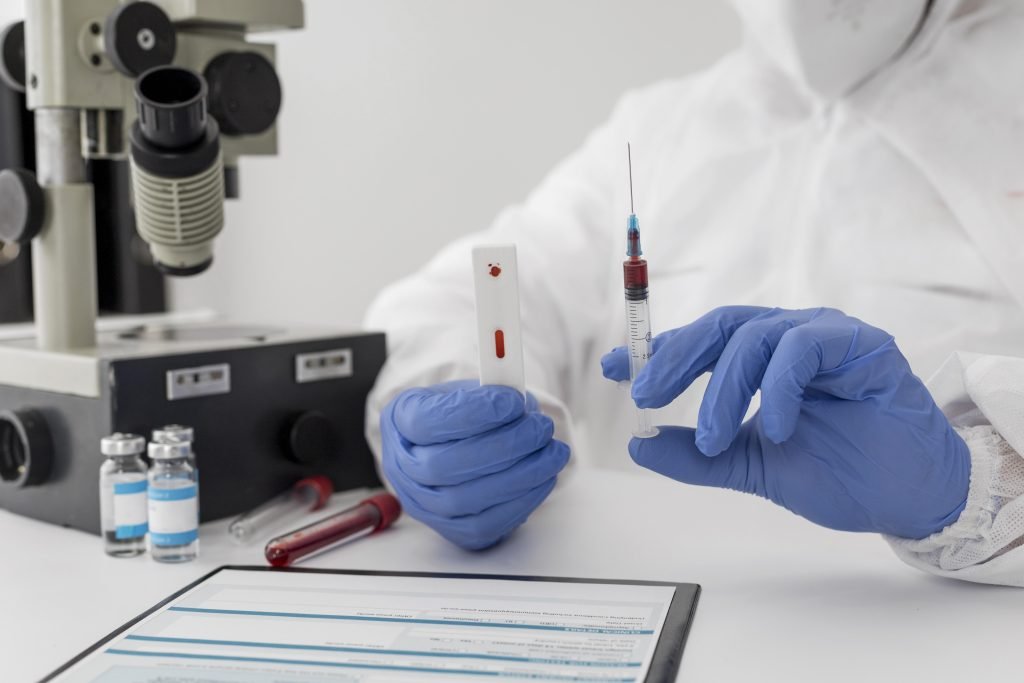
Early and accurate diagnosis remains one of the most important aspects of HIV management. Modern laboratory technologies have significantly improved the ability to detect HIV infection earlier than ever before while also providing detailed information about viral activity, drug resistance, and treatment effectiveness.
Across India, advanced HIV diagnostic services are available in major metropolitan cities through government hospitals, private hospitals, diagnostic chains, research laboratories, and specialised infectious disease centres. However, the cost of these investigations can vary considerably depending on the city, laboratory accreditation, testing platform, and whether samples are processed locally or referred to centralised facilities.
This guide provides an overview of the approximate costs of commonly performed advanced HIV diagnostic tests across major Indian cities.
Disclaimer: Prices listed are approximate estimates based on commonly quoted laboratory charges in India during 2025–2026. Actual costs vary by laboratory, city, technology platform, physician referral, and promotional offers.
Why Advanced HIV Diagnostic Tests Are Important
Routine HIV screening is only the first step in diagnosis and management.
Advanced investigations help clinicians:
- Detect HIV during early infection
- Confirm HIV diagnosis
- Measure the amount of virus in the blood
- Monitor treatment response
- Detect drug resistance
- Identify treatment failure
- Guide selection of antiretroviral therapy
- Monitor infants born to HIV-positive mothers
Common Advanced HIV Diagnostic Tests
1. Fourth-Generation HIV Ag/Ab Test
This is now considered the preferred screening test because it detects both:
- HIV-1/2 antibodies
- HIV p24 antigen
It can identify infection earlier than older antibody-only tests.
Approximate Cost
₹600–₹2,000
2. HIV RNA PCR (Qualitative)
Used primarily for:
- Early diagnosis
- Acute HIV infection
- Newborn diagnosis
- Confirmatory testing in selected situations
Approximate cost:
₹3,500–₹8,000
3. HIV Viral Load (Quantitative RNA PCR)
This test measures:
Number of HIV RNA copies per milliliter of blood.
Used for:
- Monitoring treatment
- Detecting treatment failure
- Evaluating ART response
Approximate cost:
₹3,500–₹10,000
4. HIV DNA PCR
Primarily used in:
- Infant diagnosis
- Special clinical situations
Approximate cost:
₹4,000–₹8,500
5. HIV Genotyping (Drug Resistance Test)
Used when:
- ART failure occurs
- Viral load increases unexpectedly
- Drug resistance is suspected
Approximate cost:
₹12,000–₹30,000
6. HIV Integrase Resistance Testing
Recommended for selected patients receiving integrase inhibitor-based therapy.
Approximate cost:
₹20,000–₹45,000
7. Next Generation Sequencing (NGS) HIV Resistance Testing
Available only in selected reference laboratories.
Approximate cost:
₹30,000–₹70,000
Approximate Cost Comparison by Major Indian City
| City | 4th Generation Test | HIV Viral Load | HIV RNA PCR | HIV DNA PCR | HIV Genotyping |
| Delhi | ₹700–1,500 | ₹4,000–8,000 | ₹4,000–7,000 | ₹4,500–7,500 | ₹15,000–28,000 |
| Mumbai | ₹800–1,800 | ₹4,500–9,000 | ₹4,500–7,500 | ₹5,000–8,000 | ₹16,000–30,000 |
| Bengaluru | ₹700–1,700 | ₹4,000–8,500 | ₹4,000–7,000 | ₹4,500–8,000 | ₹15,000–28,000 |
| Chennai | ₹700–1,600 | ₹4,000–8,000 | ₹4,000–7,000 | ₹4,500–7,500 | ₹15,000–28,000 |
| Hyderabad | ₹700–1,600 | ₹4,000–8,500 | ₹4,000–7,000 | ₹4,500–8,000 | ₹15,000–29,000 |
| Kolkata | ₹700–1,500 | ₹4,000–8,000 | ₹4,000–7,000 | ₹4,500–7,500 | ₹15,000–28,000 |
| Pune | ₹700–1,700 | ₹4,000–8,500 | ₹4,000–7,500 | ₹4,500–8,000 | ₹15,000–29,000 |
| Ahmedabad | ₹700–1,600 | ₹4,000–8,000 | ₹4,000–7,000 | ₹4,500–7,500 | ₹15,000–28,000 |
Government vs Private Laboratories
Government Laboratories
Advantages:
- Lower cost
- Many tests provided free under national HIV programs
- High-quality testing in designated centers
- Standardised protocols
Limitations:
- Longer waiting periods
- Referral may be required
- Limited availability of specialised molecular testing
Private Diagnostic Laboratories
Advantages:
- Faster reporting
- Online reports
- Home sample collection (for selected tests)
- Wider test menu
- Flexible appointments
Limitations:
- Higher cost
- Price variation between laboratories
Factors That Influence Test Prices
Several factors contribute to cost differences:
Technology Platform
Real-time PCR systems from different manufacturers vary in operating costs.
Imported Reagents
Many HIV molecular diagnostic kits are imported, increasing expenses.
Laboratory Accreditation
NABL-accredited laboratories often have higher operational standards, which may be reflected in pricing.
Sample Referral
Some laboratories collect samples locally but process them at centralised facilities, adding logistics costs.
Test Volume
High-volume laboratories may offer lower prices due to economies of scale.
Are More Expensive Tests Always Better?
Not necessarily.
The choice of an HIV diagnostic test depends on the clinical question rather than the price.
For example:
- A fourth-generation HIV test is appropriate for routine screening.
- Viral load testing is recommended for monitoring individuals receiving antiretroviral therapy.
- Drug resistance testing is typically reserved for cases of suspected treatment failure or before selecting certain treatment regimens.
- Specialised tests such as HIV DNA PCR are mainly indicated in specific populations, such as infants born to mothers with HIV.
Selecting the appropriate test in the right clinical context is more important than choosing the most expensive investigation.
Tips to Reduce Testing Costs
Patients may reduce expenses by:
- Comparing prices across accredited laboratories.
- Asking whether government HIV programs cover the required test.
- Checking if health insurance or employer health benefits reimburse diagnostic testing.
- Looking for laboratory health packages or seasonal discounts.
- Confirming whether repeat testing is clinically necessary before paying for additional investigations.
Choosing a Reliable HIV Diagnostic Laboratory
When selecting a laboratory, consider:
- NABL accreditation
- Experienced molecular diagnostics team
- Standardised quality control procedures
- Reliable turnaround time
- Confidential handling of patient information
- Transparent pricing
- Availability of clinician support for interpreting results
Frequently Asked Questions (FAQs)
Which HIV test is most commonly used for initial diagnosis?
The fourth-generation HIV antigen/antibody test is widely recommended as the preferred initial screening test because it can detect infection earlier than antibody-only assays.
Is HIV viral load testing recommended for everyone?
No. Viral load testing is primarily used to monitor people with confirmed HIV infection who are receiving antiretroviral therapy. It is not intended as a routine screening test for the general population.
Why is HIV genotyping more expensive?
Genotyping requires advanced molecular sequencing and bioinformatics analysis to identify viral mutations associated with antiretroviral drug resistance, making it more technically complex and costly than standard PCR-based tests.
Are government HIV testing services free?
Many HIV screening and treatment-related services are available free of charge through India’s National AIDS Control Programme (NACP). However, the availability of specialised molecular tests may vary by center.
Can home sample collection be used for all HIV tests?
Some laboratories offer home sample collection for blood-based HIV tests. However, certain advanced molecular investigations may require collection and transport under specific laboratory conditions.
Conclusion
Advanced HIV diagnostic testing has become increasingly accessible across India’s major cities. While prices vary depending on the laboratory, technology, and location, most metropolitan areas now offer a broad range of services—from fourth-generation screening tests to viral load monitoring and drug resistance testing.
Choosing the right investigation should be guided by the clinical indication rather than cost alone. Discussing the most appropriate test with a qualified healthcare professional and using accredited laboratories can help ensure accurate results and effective HIV care.
References
- World Health Organization. Consolidated Guidelines on HIV Testing Services. Geneva: WHO.
- World Health Organization. Guidelines on HIV Drug Resistance. Geneva: WHO.
- Joint United Nations Programme on HIV/AIDS (UNAIDS). Global AIDS Update.
- National AIDS Control Organization (NACO), Ministry of Health & Family Welfare, Government of India. National Guidelines for HIV Testing.
- National AIDS Control Organization (NACO). Antiretroviral Therapy Guidelines for HIV-Infected Adults and Adolescents.
- Centers for Disease Control and Prevention (CDC). Laboratory Testing for the Diagnosis of HIV Infection.
- Clinical and Laboratory Standards Institute (CLSI). Molecular Diagnostic Methods for Infectious Diseases.
- European AIDS Clinical Society (EACS). Guidelines Version 12.
- International Antiviral Society–USA (IAS–USA). Antiretroviral Treatment Recommendations.
- Panel on Antiretroviral Guidelines for Adults and Adolescents. U.S. Department of Health and Human Services. Guidelines for the Use of Antiretroviral Agents in Adults and Adolescents with HIV.