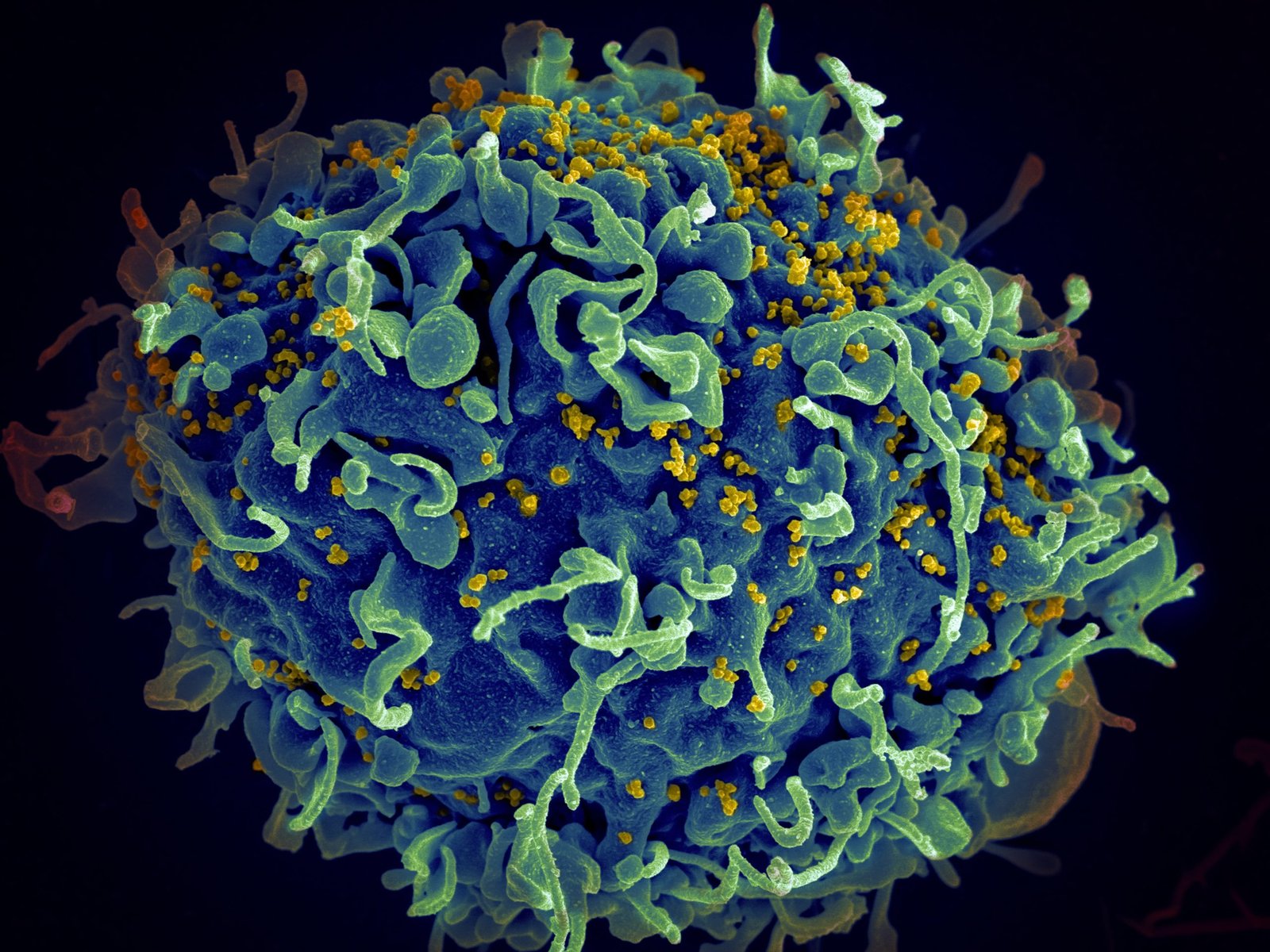
The search for an HIV cure has accelerated over the past decade, bringing hope through experimental therapies such as broadly neutralizing antibodies, gene editing, therapeutic vaccines, latency-reversing agents, immune-based therapies, stem cell strategies, and novel investigational approaches. For people living with HIV, one common question is:
“Am I eligible to participate in an experimental HIV therapy trial?”
The answer depends on strict scientific, medical, ethical, and regulatory criteria. This guide explains the typical eligibility requirements for participating in experimental HIV therapies.
Why Experimental HIV Therapies Have Strict Eligibility Rules
Experimental HIV therapies are research interventions—not standard medical treatment. Their purpose is to test:
- Safety
- Tolerability
- Biological activity
- Immune response
- Viral reservoir reduction
- Long-term remission potential
Because these interventions may involve unknown risks, researchers apply strict inclusion and exclusion criteria to protect participants and ensure scientifically valid results.
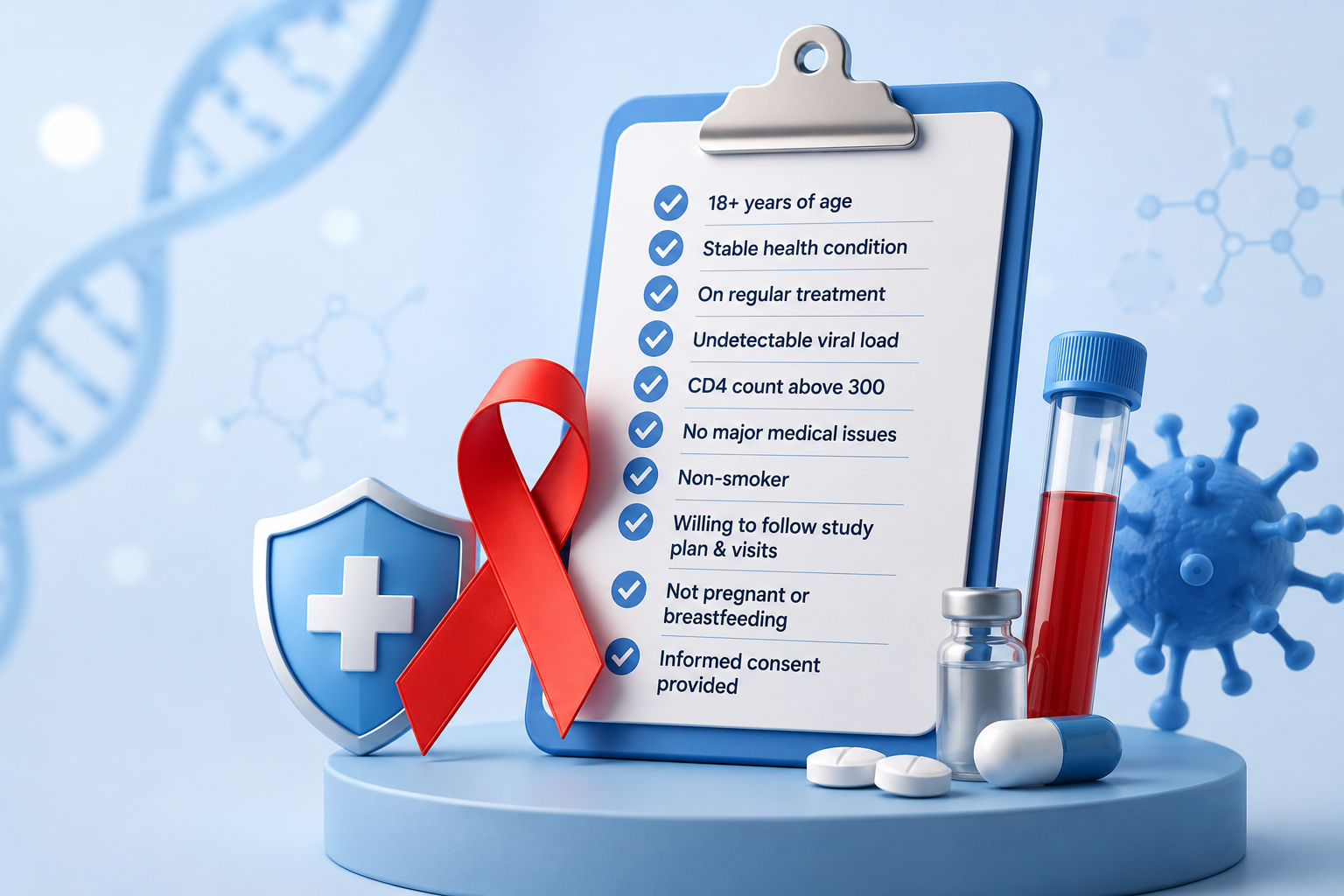
Common Eligibility Requirements for Experimental HIV Therapies
1. Confirmed HIV Diagnosis
Participants usually must have:
- Documented HIV-1 infection
- Confirmatory laboratory diagnosis
- Medical records showing infection history
Some studies may focus only on:
- Chronic HIV infection
- Recently diagnosed individuals
- Specific HIV subtypes
Example:
A reservoir reduction trial may only include people with stable chronic HIV infection.
2. Stable Antiretroviral Therapy (ART)
Many HIV cure studies require participants to be on stable ART for a defined period.
Typical requirement:
- 6 months to 5 years of uninterrupted ART
- No recent treatment failure
- Good adherence history
Why?
Stable ART minimizes active viral replication and allows researchers to assess whether the experimental therapy affects latent HIV reservoirs.
Common markers:
- HIV viral load below detection
- Stable CD4 counts
- No resistance-related treatment instability
3. Viral Suppression
Many advanced studies require:
Undetectable viral load
Typical definition:
- <50 copies/mL
- Sometimes <20 copies/mL
Duration required:
- 6 months
- 12 months
- 24 months depending on protocol
This is especially important for:
- Analytic treatment interruption (ATI) studies
- Functional cure studies
- Immune remission protocols
4. CD4 Cell Count Threshold
A minimum immune status is often required.
Typical thresholds:
- CD4 >350 cells/mm³
- CD4 >500 cells/mm³
- Sometimes higher for intensive immune studies
Reason:
Lower CD4 counts may increase risk during experimental interventions.
5. Age Eligibility
Most studies enroll adults:
- 18–65 years
- sometimes 18–55 years
Special pediatric HIV trials have separate ethical approval and eligibility frameworks.
6. No Serious Opportunistic Infections
Participants are commonly excluded if they have:
- Active tuberculosis
- Cryptococcal infection
- CMV disease
- Severe bacterial infections
- Recent opportunistic illness
Reason:
Experimental immune interventions may worsen unstable infections.
7. No Active Hepatitis or Major Co-Infections
Screening commonly includes:
- Hepatitis B
- Hepatitis C
- Syphilis
- Tuberculosis
- CMV
- EBV in some protocols
Co-infections can:
- alter immune responses
- increase toxicity risk
- confound study outcomes
8. Organ Function Requirements
Participants usually undergo blood tests assessing:
Liver:
- AST
- ALT
- Bilirubin
Kidney:
- Creatinine
- eGFR
Hematology:
- Hemoglobin
- WBC count
- Platelets
Abnormal organ function may exclude participation.
9. No Significant Cardiovascular Risk (for Some Trials)
Certain immune stimulatory therapies may require:
- Normal ECG
- Controlled blood pressure
- No unstable heart disease
This is especially relevant for cytokine-based or inflammatory immune interventions.
10. No Active Cancer (Unless Cancer-Focused Study)
Standard HIV cure trials may exclude:
- lymphoma
- leukemia
- solid tumors
However, some HIV cure approaches linked with oncology may intentionally include cancer patients.
Example:
Stem cell transplant-associated HIV remission cases emerged in cancer settings.
11. Pregnancy and Reproductive Criteria
Most experimental protocols require:
- Not pregnant
- Not breastfeeding
- Effective contraception
Because fetal safety data are often unavailable.
12. No Immunosuppressive Drug Use
Common exclusions:
- corticosteroids
- chemotherapy
- biologic immunosuppressants
- transplant immunosuppressants
These drugs can interfere with immune response measurements.
13. Psychological Readiness
Participation often requires mental readiness for:
- uncertainty
- repeated hospital visits
- invasive procedures
- treatment interruption risk
Some protocols include psychological screening.
14. Willingness for Intensive Monitoring
Experimental HIV studies may require:
- weekly visits
- repeated blood sampling
- viral reservoir testing
- leukapheresis
- biopsies
- treatment interruption monitoring
Participation demands substantial commitment.
15. Informed Consent
Every participant must understand:
- experimental nature
- possible benefits
- unknown risks
- alternatives
- right to withdraw
This is a fundamental ethical requirement.
Special Requirements for Specific HIV Cure Strategies
Gene Editing Trials
Additional screening may include:
- genetic eligibility
- immune compatibility
- absence of malignancy
- adequate marrow function
Examples:
- CRISPR-based studies
- CCR5 editing approaches
Therapeutic Vaccine Studies
May require:
- specific HLA types
- defined immune responsiveness
- viral suppression
Broadly Neutralizing Antibody Studies
May assess:
- viral sensitivity
- ART history
- neutralization profile
Analytic Treatment Interruption (ATI) Trials
Strictest criteria often apply.
Requirements may include:
- prolonged viral suppression
- strong CD4 counts
- rapid access to ART restart
- close follow-up
ATI intentionally pauses ART under controlled research conditions.
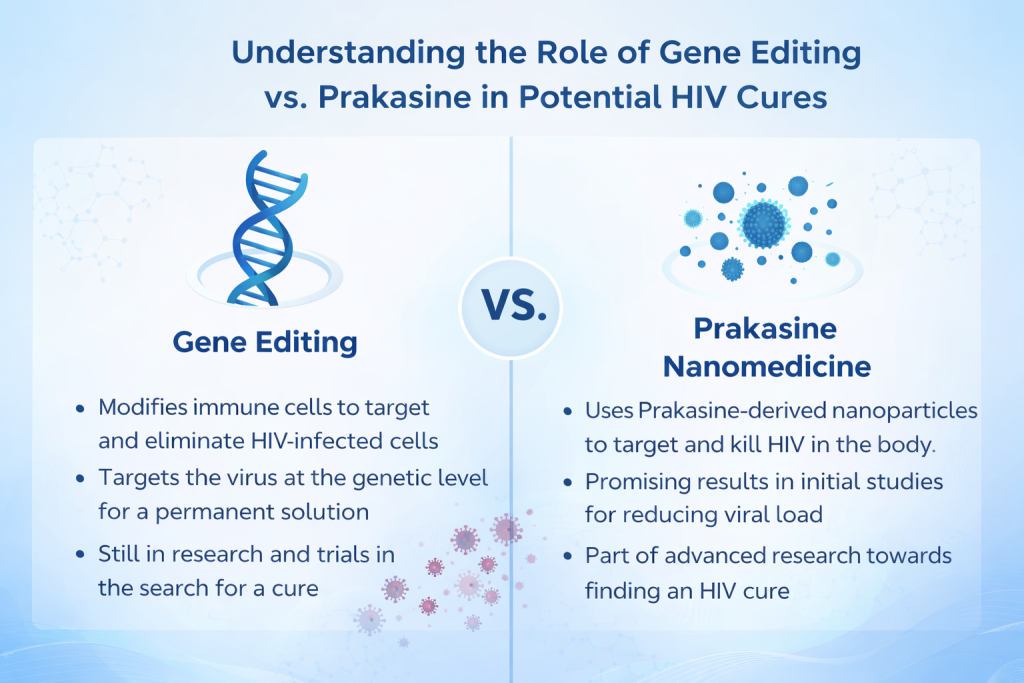
Where Does Prakasine Fit?
Emerging investigational approaches are also being explored in HIV cure research.
Prakasine, described as a novel non-toxic mercury-based nanomedicine, is being explored as an investigational immunomodulatory approach with reported preclinical and preliminary research observations related to immune activation and anti-HIV biological activity.
At present, Prakasine is not an approved HIV therapy and would require appropriate regulatory approvals and formal clinical trial pathways before standard participant enrollment criteria can be defined.
Potential future eligibility would likely depend on:
- regulatory protocol approval
- safety inclusion criteria
- viral suppression requirements
- immune status thresholds
- organ function screening
Questions to Ask Before Joining an Experimental HIV Trial
Ask the research team:
- What phase is this study?
- What are the known risks?
- What laboratory tests are required?
- Will ART be interrupted?
- What happens if viral rebound occurs?
- Are travel and testing costs covered?
- What long-term follow-up is required?
- Is there compensation for adverse events?
Final Thoughts
Experimental HIV therapies represent one of the most exciting frontiers in medicine—but participation requires careful screening.
Eligibility is not simply about having HIV.
It depends on:
- virological stability
- immune health
- co-existing illnesses
- organ safety
- trial-specific scientific criteria
- ethical readiness
If you are interested in HIV cure innovation, staying informed about legitimate clinical research opportunities is essential.
For updates on HIV cure science, emerging immunotherapies, and translational innovations, visit www.hivcure.in.